
Intro:
Building agent-driven systems isn't just about capturing intent or delivering outcomes - it’s about avoiding the hidden traps that sabotage trust, usability, and adoption. The good news? Most failures are predictable - and preventable. This post breaks down the most common mistakes in agent UX design and system behavior, and how to sidestep them early.
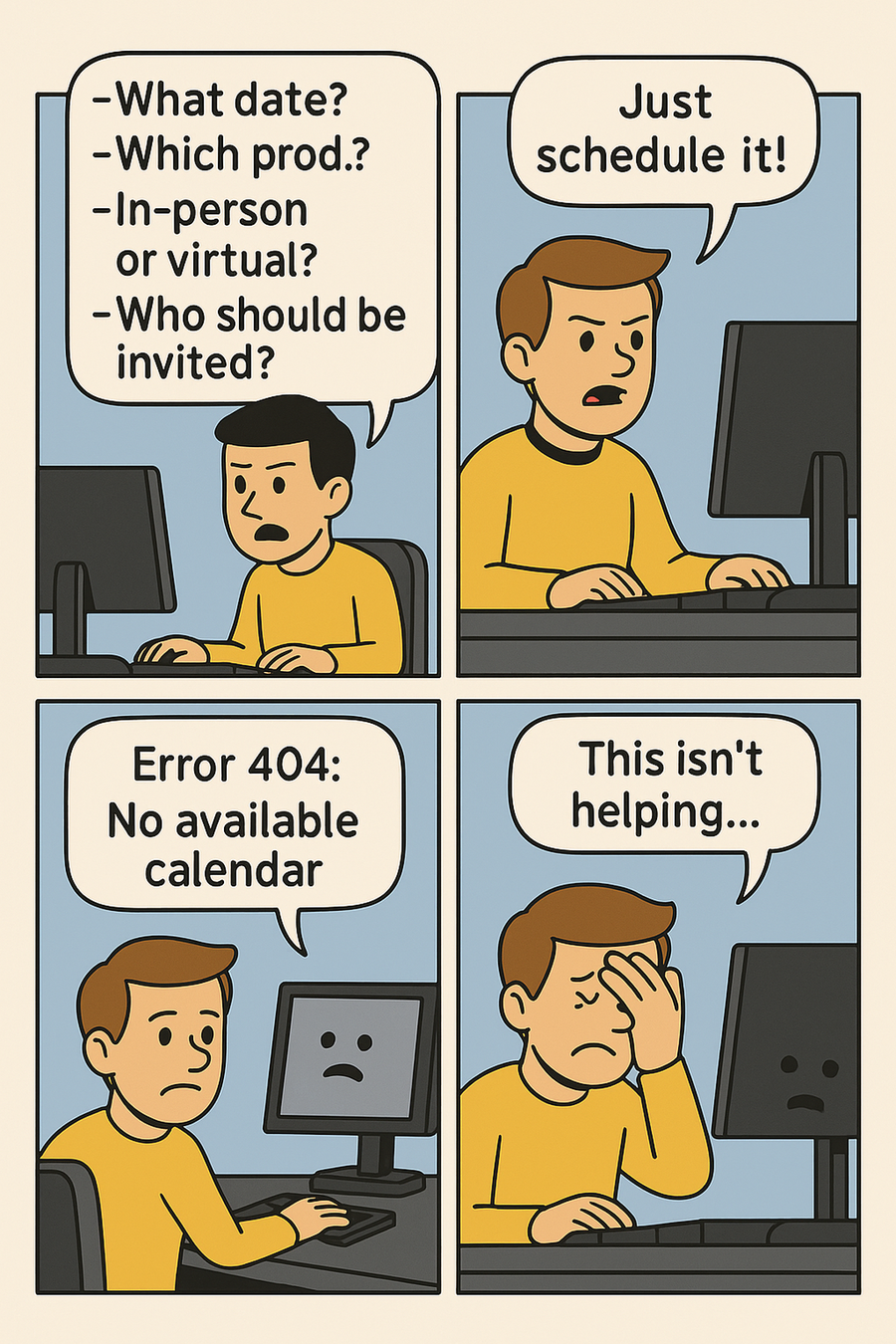
1. Over-Automating Before Trust Is Earned
The Trap:
- Systems try to fully automate critical actions too early.
- Users feel out of control - even when outcomes are technically correct.
The Fix:
- Start conservative.
- Build trust through transparency and gradual expansion of agent autonomy.
2. Asking Users to Work Too Hard
The Trap:
- Systems flood users with clarifications, confirmations, and low-value questions.
- Users feel like they’re doing all the thinking.
The Fix:
- Default intelligently wherever possible.
- Only surface clarifications when essential to outcome integrity.
3. Hiding System Thinking or Data Sources
The Trap:
- Systems act like a "black box" - decisions are made without explanation.
- Users fear hidden errors and lose confidence.
The Fix:
- Show work subtly: source tags, rationales, confidence levels.
- Give users the option (but not the obligation) to inspect details.
4. Handling Errors Poorly
The Trap:
- Errors are cryptic, blame the user, or dead-end the experience.
The Fix:
- Admit uncertainty early.
- Offer clear recovery paths.
- Frame errors as system limitations, not user mistakes.
5. Building for Happy Paths Only
The Trap:
- Systems handle ideal scenarios beautifully, but collapse when conditions get messy or incomplete.
The Fix:
- Design for ambiguity, conflict, and missing data.
- Assume messiness is the default - not the exception.
6. Measuring the Wrong Things
The Trap:
- Success is measured by "number of automated tasks" instead of "number of successful outcomes" or "user trust."
The Fix:
- Measure adoption, satisfaction, trust, and confirmed outcomes - not just throughput.
7. Real-World Case Example
Scenario:
A procurement agent system built flawless purchasing flows -
but failed because it assumed supplier names were always spelled perfectly.
- Users were forced to correct misspellings manually.
- Agents couldn't suggest likely matches.
- Trust eroded quickly.
Lesson:
Plan for imperfect input, imperfect data, and user messiness from day one.
Closing
The best agent-driven systems aren't those that automate the most. They're the ones that deliver outcomes reliably, build trust, and handle real-world complexity with grace. Avoiding these pitfalls isn’t about perfection. It’s about humility, flexibility, and a laser focus on user success.
What's Next
One more post on agent-driven systems is coming! In a final optional bonus post, we'll look at emerging trends shaping the next generation of intent-first experiences - from multi-agent orchestration to proactive agent-driven recommendations. Because the future isn't just reactive. It's anticipatory.
Stay tuned.